
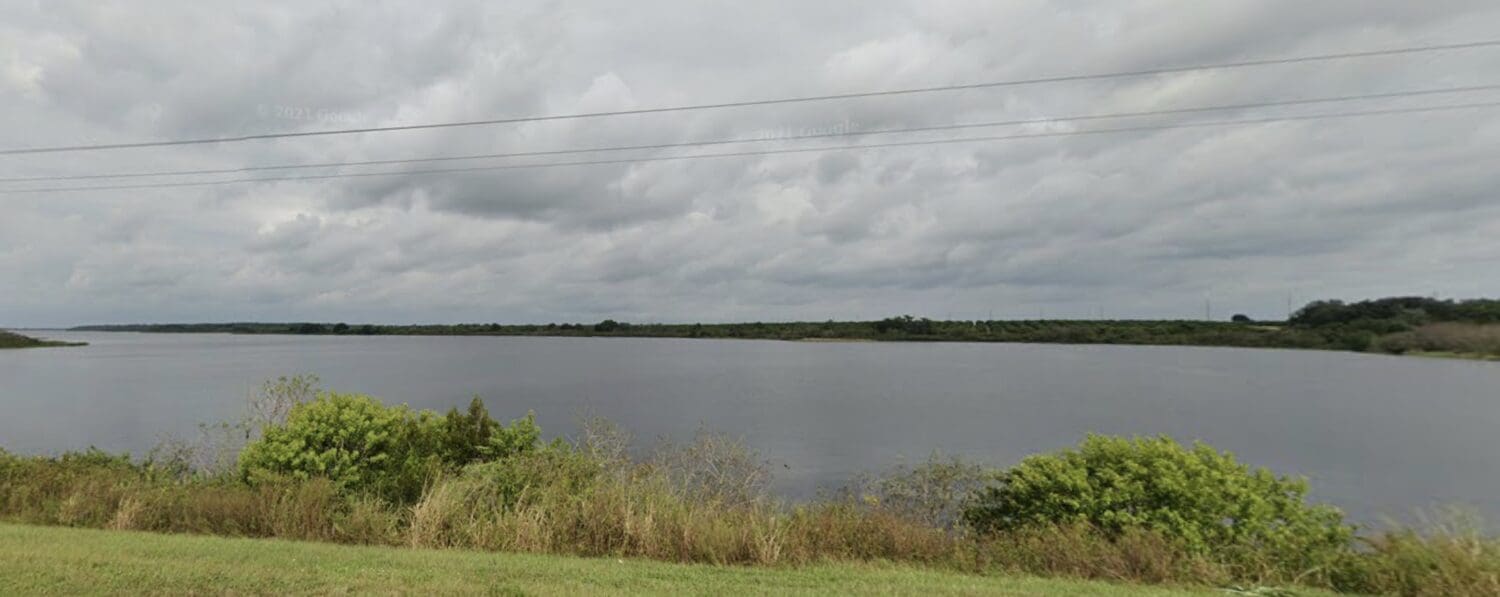
Tag: Lake Manatee

Testing shows drinking water free of toxins

Testing shows drinking water free of toxins

MANATEE COUNTY – County officials say that new tests confirm the drinking water coming from Lake Manatee is safe.

In a July 18 press release, more than a week after attention was first drawn to the strange odor and taste in local drinking water, county officials said that the compound affecting the water is geosmin, not an algal toxin.

According to the U.S. Geological Survey, geosmin is a compound, often related to the cyanobacteria Anabaena, that causes taste and odor issues in water related to blue-green algae outbreaks.

“While certain blue-green algae can produce toxins, it is important to note that not all blue-green algae blooms are toxic,” according to last week’s press release from county Information Outreach Manager Bill Logan.

Logan’s previous press release from the county on July 10 stated that tests showed the presence of blue-green algae at elevated concentrations in drinking water.

The algae bloom in the county reservoir, which provides water for a large part of the county, caused a musty taste and odor that persists, according to the county.

Local environmental advocacy group Suncoast Waterkeeper disputed the water’s safety in a press release on July 12, naming Anabaena as a health risk.

Independent testing done by GreenWater Laboratories showed that a number of cyanotoxins related to blue-green algae were not found in the water, according to the county.

The county is treating the reservoir with activated powdered carbon.

Algae blooms in the county’s drinking water are common, seasonal occurrences, according to the county, which advises the public to use a carbon filter on faucets to minimize the earthy taste of the drinking water.

Group disputes county claim that drinking water remains safe

MANATEE COUNTY – A blue-green algae outbreak reported last week at Lake Manatee, the county’s primary drinking water reservoir, has prompted a local water quality watchdog group to question Manatee County’s claim that the water is safe, despite discoloration and an unusual odor.

In a July 19 press release, Suncoast Waterkeeper members noted that the blue-green algae, known as Anabaena or Microcystin-LR, is a cyanotoxin that may be safe from a regulatory standpoint, but not necessarily from a health standpoint.

County says blue-green algae in water ‘safe’
Water straight from a faucet in Manatee County shows water that county officials say is “safe” for consumption. Large particles of unknown material came out of the faucet along with the water. – Kristin Swain | Sun

According to the U.S. Environmental Protection Agency, elevated levels of cyanotoxins, including Anabaena, can cause health issues in humans ranging from a rash to liver and kidney damage if ingested. The most common health effects in humans include abdominal pain, headache, sore throat, vomiting, nausea, dry cough, diarrhea, blistering around the mouth and pneumonia. Continually ingesting drinking water contaminated with elevated levels of the bacteria can lead to liver and kidney damage. Anyone experiencing any of the symptoms after coming into contact with the toxin should seek medical treatment immediately and rinse off with clean water.

The EPA also warns that pets, livestock and other animals also can be adversely affected by coming into contact with contaminated water. Symptoms of cyanotoxin poisoning in animals include excessive salivating, fatigue, difficulty breathing, vomiting, diarrhea and seizures. In some severe cases, exposure can also lead to death.

In the water where the blue-green algae bloom occurs, plant and animal life may also die both during and after the bloom, resulting in fish kills in the county’s primary water supply.

County leaders say they’re treating the water with activated carbon and that anyone who is concerned about the smell or taste of the water should use a carbon filter at home.

To learn more about Anabaena and how it can affect your health, visit www.epa.gov/cyanohabs.